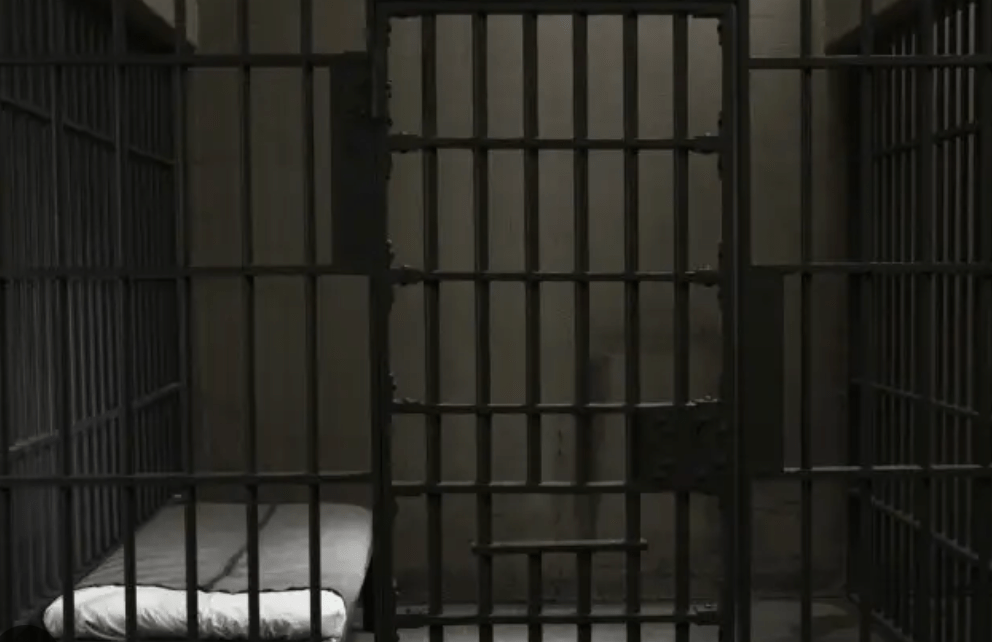
Doing time is hard, especially in an isolated environment with limited stimulation. The walls are not just physical barriers; they slowly close in on the mind. Days become repetitive, quiet, and emotionally draining. In many institutions, the routine rarely changes, and the lack of meaningful activity can leave people feeling forgotten and disconnected from the world they once knew.
For many inmates, the only thing that keeps them going is that visit from family or a phone call. That brief moment of connection somehow keeps them anchored to the outside world. It reminds them that they still matter to someone, that life continues beyond the bars, and that there is still a reason to hold on to hope. Without those connections, the sense of isolation can deepen into despair.
Have you heard the joke about the “perfect man” being found in prison, because he does his own laundry, follows the rules, and listens? People laugh when they hear it, but for those living behind the walls, it is not really a joke. It reflects a reality where survival depends on compliance, routine, and emotional restraint. It is easy to make light of something you are not living through. Humor can distance us from uncomfortable truths.
One of the most troubling aspects of incarceration is the amount of time spent idle. In some cases, grown men are required to remain in their cells for extended hours each day. Long periods of confinement with little stimulation can take a serious toll on mental health. Human beings are not designed to exist in prolonged isolation. We need movement, conversation, purpose, and sunlight. Without those basic elements, the mind begins to struggle.
There is also a difficult truth that many people on the outside do not want to acknowledge: sometimes the struggles of life outside prison, poverty, unemployment, unstable housing, or lack of support, can make prison seem like a predictable alternative. Not a desirable one, but a structured environment where meals are provided, schedules are fixed, and expectations are clear. When the outside world feels chaotic and unforgiving, the certainty of prison can appear, to some, like a fallback plan.
This does not mean prison is easy. It means that the systems meant to support people in the community are sometimes failing long before incarceration happens. Rehabilitation is often discussed in policies and reports, and the framework can look strong on paper. Programs are announced, strategies are drafted, and promises are made. But in practice, those supports may be inconsistent, underfunded, or inaccessible. When rehabilitation is weak or absent, incarceration becomes a cycle rather than a turning point.
Mental health in prison is not just an individual issue, it is a public issue. The vast majority of people who are incarcerated will eventually return to their communities. If they leave prison more isolated, more traumatized, and with fewer coping skills than when they entered, the consequences do not stay behind the walls. They follow people home, into families, neighborhoods, and workplaces.
Real rehabilitation requires more than confinement. It requires mental health support, meaningful programs, education, and opportunities to rebuild dignity and purpose. It requires listening to the lived experiences of those inside the system, not just designing policies from the outside.
Until then, the mental health crisis in prisons will continue quietly, behind closed doors, where survival becomes the daily goal instead of growth. And for many, hope will depend on something as simple and as powerful as a phone call, a visit, or the reminder that someone is still waiting for them on the outside.
DD

Leave a comment